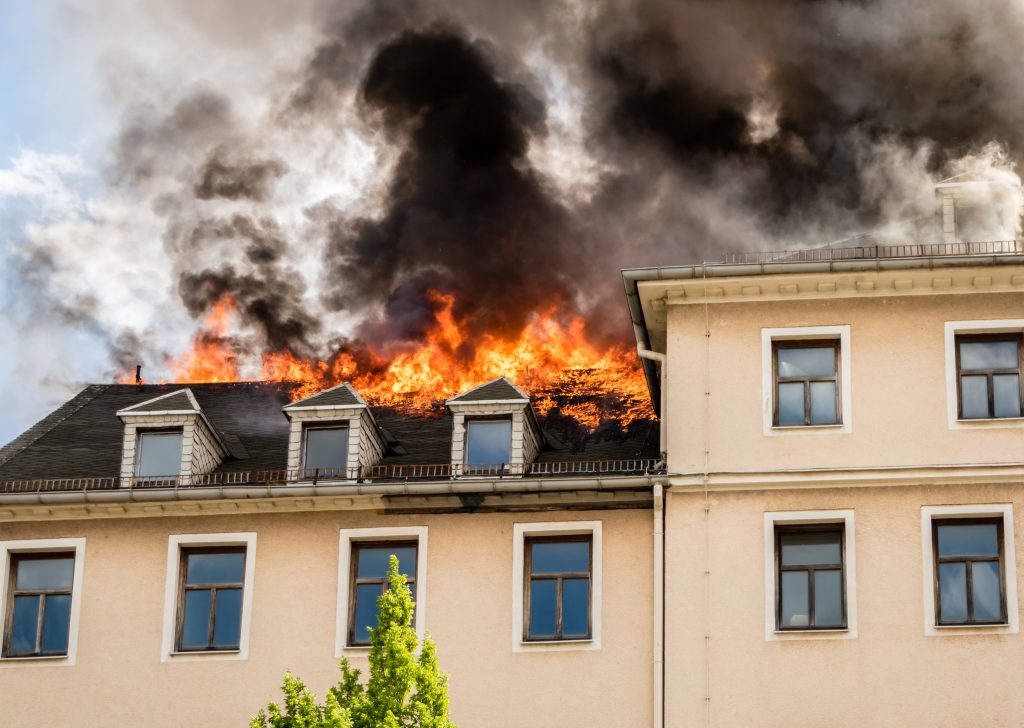
A house fire is devastating. Even after the flames are out, the damage keeps spreading. Smoke penetrates walls, soot coats surfaces, and water from firefighting creates its own problems. Getting your home back to normal requires professional fire damage restoration. That means understanding what fire damage actually does to a property and why acting fast matters.
Disclaimer: The information here covers general patterns. Your situation may vary. Conditions in Bloomington, including humidity and seasonal temperature swings, can affect how fire damage progresses. Always consult professionals for assessment.
The first hours after a fire determine what can be saved. Here’s what to do.
Don’t go back inside until the fire department says it’s safe. Structural damage isn’t always visible. Floors may be weakened. Ceilings may be unstable. Electrical systems may be compromised. Let professionals confirm the building is safe to enter.
Before anything gets moved or cleaned, document the damage. Take photos and videos of every room. Capture damaged belongings, structural issues, smoke staining, water accumulation. Your insurance company will need this. So will your restoration team.
Report the fire as soon as possible. Ask about coverage limits, deductibles, and what documentation they need. Keep records of every conversation. Get claim numbers in writing.
Finally, call restoration professionals. At Kelley Construction Contractors, we offer emergency response for fire damage in Central Illinois and can begin assessment immediately.
Fire damage restoration goes beyond fixing the parts of your home that burned. A proper restoration addresses three types of damage.
Structural elements, walls, flooring, and belongings that were in the fire’s path need repair or replacement. This is the damage most people think of. Charred framing, melted fixtures, destroyed furniture. Assessing structural integrity comes first. Everything else follows.
Fighting the fire means water everywhere. Thousands of gallons sometimes. That water causes its own damage to floors, walls, furniture, and electronics if not addressed quickly. Standing water leads to mold growth within 24-48 hours. Extraction and drying happen fast or not at all.
Combustion produces a wide range of chemicals. These particles spread throughout your home and create health risks for anyone with prolonged exposure. Smoke residue coats surfaces you can see and surfaces you can’t. Removing it requires specialized cleaning equipment and techniques.
Most people underestimate how quickly smoke travels. Understanding smoke behavior explains why small fires cause big damage.
Smoke moves fast. Walls, ceilings, cabinets, and windows get coated almost immediately. Give it a few minutes and heavy soot layers build up on flat surfaces. Thick smoke works its way inside outlets, switches, and wall cavities. It penetrates electronics too, coating circuit boards
Even if the fire gets put out quickly, smoke can reach other floors of your home. It doesn’t respect boundaries.
Smoke absorbs into soft materials like clothing, carpeting, bedding, and curtains. Small fires can cause major smoke damage to personal belongings and leave lingering odors if not cleaned properly. Porous materials trap smoke particles. Non-porous surfaces hold residue on the surface where it keeps reacting.
The particles from combustion are tiny. Many are smaller than a human hair by a factor of 50 or more. Larger particles settle out of the air relatively quickly. The smallest particles can remain suspended in the air for days, weeks, or longer This is why professional cleaning matters. Standard cleaning doesn’t capture what you can’t see.
Fire damage gets worse the longer it sits. Acid and oily residues from smoke keep working on surfaces long after the flames are gone.
Acid residues start working immediately. Plastic surfaces can discolor within minutes. Give it a few hours and you’ll see staining on grout and fiberglass fixtures. Countertops and appliances start to yellow. Furniture finishes change color.
This is when professional intervention has the biggest impact. Surfaces that can be saved at hour two may be ruined by hour twelve.
After a few days, metal corrodes and pits. Walls can yellow permanently. Wait weeks and the damage reaches crystal, glass, china, and carpet fibers. Some of it becomes permanent.
This timeline shows why speed matters.
Fire damage restoration follows a sequence. Each step prepares for the next.
Restoration teams inspect the property to determine what can be saved and what needs replacement. They identify the fire source, map smoke travel patterns, and document damage for insurance purposes.
If firefighting leaves standing water, extraction comes first. Industrial pumps remove water. Dehumidifiers and air movers dry out structures. This prevents mold growth and further water damage.
Specialized equipment handles soot removal from surfaces, air ducts, and hard-to-reach areas. Different fires produce different residues. Protein fires from cooking require different treatment than synthetic fires from plastics. The restoration team matches cleaning methods to contamination type.
Once the property is clean and dry, structural repairs begin. Damaged framing gets replaced. Drywall goes up. Electrical and plumbing systems get inspected and repaired. This phase handles interior repairs that restore the bones of your home.
Final cleaning addresses everything from carpets to cabinets. Odor removal treatments eliminate lingering smoke smell. The goal is returning your home to pre-fire condition. Or as close as possible.
Once the shock wears off, the questions start. How long will this take? What’s ruined and what can be saved? Can I clean any of this myself? These are the questions homeowners ask most after a fire. The answers depend on your situation, but here’s what to expect.
Timeline depends on damage severity. A small kitchen fire with minimal smoke spread might take one to two weeks. Moderate damage with smoke throughout the house could take three to six weeks. Major structural damage can stretch into months.
Several factors affect the timeline. Insurance adjuster visits can add a week or more before work begins. Material availability matters. Hidden damage discovered during repairs extends the schedule. Your restoration team provides a timeline estimate after the initial assessment, but expect adjustments as work progresses.
Some items can be cleaned and restored. Others cannot.
Hard, non-porous items like metal cookware, glass, ceramics, and some plastics often survive with proper cleaning. Wood furniture can sometimes be restored depending on smoke exposure and char damage.
Porous items are harder to save. Mattresses, upholstered furniture, and heavily saturated clothing may absorb too many smoke particles to clean effectively. The smell never fully leaves some materials.
Food should be discarded even if packaging looks intact. Smoke particles and heat can contaminate contents through packaging seams. Medications and cosmetics fall into the same category.
Your restoration team assesses each item and documents losses for insurance. When in doubt, keep items for professional evaluation rather than throwing them away immediately.
Yes. If windows are broken or doors damaged, the property needs boarding up before you leave.
Unsecured properties invite problems. Weather damage from rain or snow. Animals nesting in damaged areas. Theft or vandalism.
Many restoration companies handle board-up as part of emergency response. Some arrive within hours of your call. If your restoration company doesn’t offer this service, ask for a referral. Don’t leave the property open overnight.
For very minor smoke damage, some surface cleaning is possible. But fire restoration isn’t a DIY job for anything beyond a small stovetop flare-up.
Here’s why. Smoke particles penetrate deep into materials. You can wipe the surface and still have contamination underneath. Standard cleaning products don’t neutralize acid residues. Without proper equipment, you’re likely to spread contamination or set stains permanently.
Professional restoration uses industrial air scrubbers, specialized cleaning agents, and techniques matched to the type of fire and materials affected. The equipment alone costs thousands of dollars.
If the fire was small and contained, you can clean hard surfaces with mild soap and water. Anything more than that needs professional assessment. The risk of making damage worse or creating health hazards isn’t worth the savings.
If your home has been damaged by fire, you need restoration specialists who understand the full scope of the problem. Flame damage, water damage, smoke contamination, lingering odors. All of it needs to be addressed to get your home back to normal.
Note: Every fire is different. Restoration needs vary based on the extent of damage, materials affected, and how quickly cleanup begins.
Kelley Construction Contractors, Inc. has handled fire damage restoration throughout Bloomington and Central Illinois for many years. From structural repairs to smoke and soot cleanup, we handle the entire job and provide the documentation you need for your insurance claim. Call us as soon as possible after a fire.