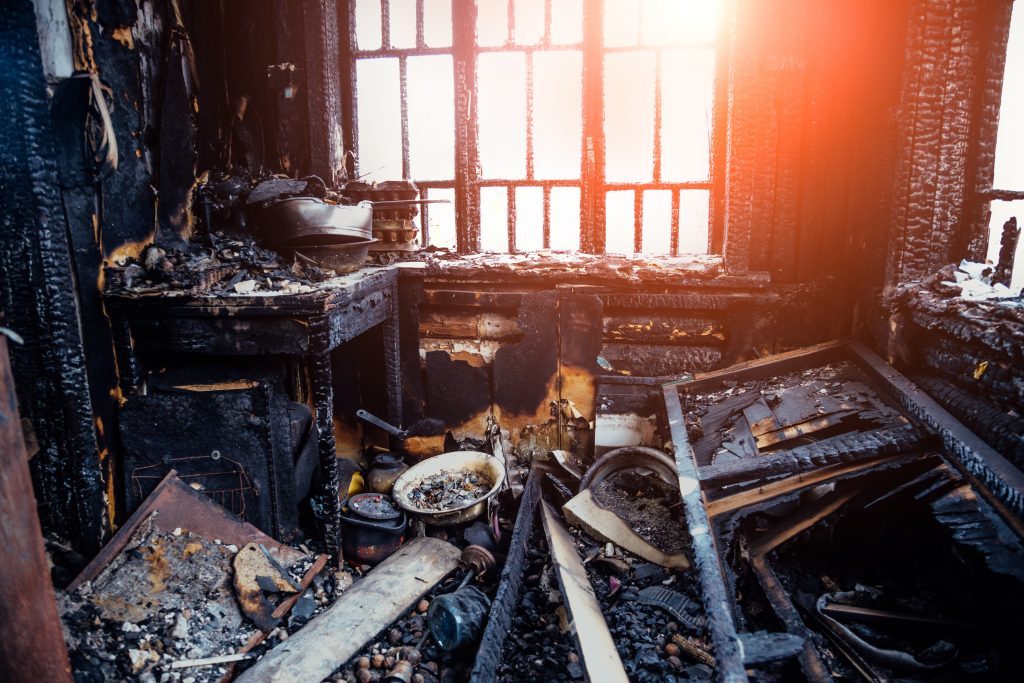
A house fire can devastate your family and destroy everything you own. Some fires are freak accidents. Lightning strikes. Electrical failures nobody could have predicted. But according to fire safety research, most residential fires start from preventable causes in predictable places. The U.S. Fire Administration tracks these patterns and publishes regular reports on where and why home fires occur.
The kitchen, bedroom, and living room are where most home fires tend to start. Knowing what to watch for in each room and taking a few simple precautions can stop fire damage before it ever starts.
Fire safety recommendations and statistics are based on widely accepted guidelines, but conditions and regulations may vary by region. Always verify current local requirements.
The kitchen is generally considered the most dangerous room in your house when it comes to fire risk. Between the stove, oven, and various small appliances, you have several ignition sources all within arm’s reach of each other.
Unattended cooking is consistently identified as the leading cause of kitchen fires. According to the National Fire Protection Association, most cooking fires start when food or cooking materials are left unattended. It happens to everyone. You misread the instructions, forgot to set a timer, or stepped away for “just a minute.” That minor lapse can lead to major damage. Stay in the kitchen when you are cooking, especially when using high heat. If you must leave, turn off the burner.
Gas stoves present a specific risk. The burner can get bumped and left running without a flame. Any spark or ignition source in that situation can cause an explosion. Make it a habit to visually check that all burners are off before leaving the kitchen. Some homeowners install gas detectors near the stove for added protection.
Oil fires can ignite suddenly and are harder to put out than most kitchen fires. Water actually makes them worse. Cooking with too much oil, or heating oil past its smoke point, can cause splatters that ignite nearby materials. Keep flammable items like dish towels and curtains away from the stovetop, and stay nearby the entire time you are cooking with oil. If a grease fire starts, cover the pan with a lid and turn off the heat.
Bedrooms are where some of the deadliest home fires begin. The combination of sheets, blankets, pillows, curtains, and mattresses means a small flame can spread quickly. Limited outlets add electrical risks. And because fires often start while you are asleep, you have less time to react.
Candles are a major culprit. People light them for ambiance or scent and then fall asleep or leave the room. An unattended candle in a space this flammable is a fire waiting to happen. Blow them out when you leave the room. Every time. Consider battery-operated flameless candles as a safer alternative.
Overloaded outlets are common in bedrooms because most rooms do not have enough of them. Between lamps, phone chargers, alarm clocks, TVs, humidifiers, and sleep machines, it is easy to overload a single outlet or power strip. That overload creates heat, and heat causes fires. Spread your devices across multiple outlets if possible, and do not daisy-chain power strips.
Smoking in bed is one of the most dangerous things you can do in your home. With so much flammable material within arm’s reach, a dropped cigarette can ignite a fire in seconds. If you smoke, do it outside. Never smoke when drowsy, and make sure cigarettes are fully extinguished before disposal.
The living room is where families spend the most time, and all those hours mean fire hazards can sneak up on you.
Fireplaces are obvious sources of fire, but the danger is in the sparks that escape. A fireplace without glass doors or a proper screen can send embers onto carpet, furniture, or nearby curtains. Install a screen or glass doors and keep flammable items at least three feet away from the opening. This is a standard safety recommendation. Have your chimney inspected and cleaned annually to prevent creosote buildup.
Heated blankets and heating pads provide comfort, but they can overheat if left on too long or if the wiring degrades. Turn them off before leaving the room or falling asleep, and replace them if you notice any fraying or damage to the cord. Avoid folding electric blankets while in use, as this can cause heat to build up in one spot.
Old wiring is a hidden danger in older homes. If your house was built more than 30 or 40 years ago and the electrical system has not been updated, it may not be able to handle modern power demands. Have a licensed electrician inspect your wiring, especially if you have noticed flickering lights, warm outlets, or frequently tripped breakers. Local codes and requirements vary, so a professional can advise on what is needed in your area.
Working smoke detectors are your first line of defense. They give you critical extra minutes to escape when a fire breaks out.
Install smoke detectors on every level of your home, inside each bedroom, and outside sleeping areas. Place them on the ceiling or high on the wall, since smoke rises. Keep detectors away from kitchens and bathrooms where steam or cooking smoke can cause false alarms. The National Fire Protection Association provides detailed guidance on smoke alarm placement and maintenance.
Test your smoke detectors monthly by pressing the test button. Replace batteries at least once a year, or whenever the low-battery chirp sounds. Smoke detectors themselves should be replaced every 10 years. If you cannot remember when yours were installed, replace them now.
A fire extinguisher can stop a small fire from becoming a disaster, but only if you have one and know how to use it.
For most homes, an ABC-rated extinguisher handles the three most common fire types: ordinary combustibles, flammable liquids, and electrical fires. Keep at least one on each floor. The kitchen and garage are the most important locations.
Learn the PASS method: Pull the pin, Aim at the base of the fire, Squeeze the handle, and Sweep side to side. Only attempt to fight a fire if it is small and contained. If the fire is spreading or you feel unsafe, get out immediately and call 911.
Even the most careful homeowner cannot eliminate every risk. When fire damage does occur, what matters most is how quickly you recover. Professional fire damage restoration can help you get back to normal faster.
Kelley Construction has been helping Central Illinois families rebuild for over 30 years. Our insurance restoration team deals with your insurance company directly, so you do not have to, and we are with you from the first walkthrough to the final coat of paint.
The best fire damage restoration is the one you never need. Take a few minutes today to check your kitchen, bedroom, and living room for the hazards above. A little prevention now can save you from a devastating loss later.
Fire prevention guidance may vary based on your home’s age, construction, and local codes. For specific concerns, consult a licensed contractor or your local fire department.
Request a free estimate if you need fire damage restoration services.