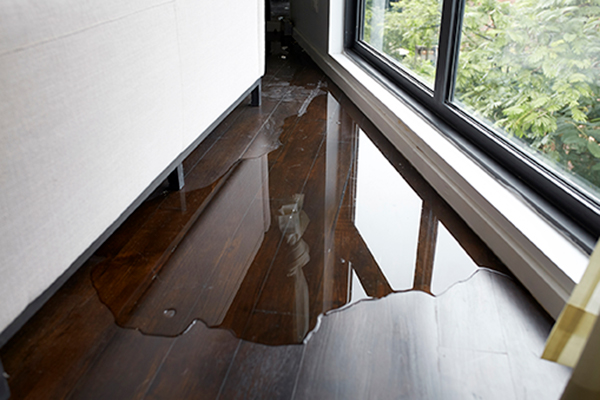
Water damage happens fast and gets worse by the hour. Burst pipe? Flooded basement? Appliance that failed while you were at work? The damage spreads fast either way. Mold can start growing within 24-48 hours of water damage occurring. Permanent damage to floors, walls, and belongings happens sooner than most people realize.
Most water damage is preventable if you know what to look for. And when it does happen, your first moves matter more than you’d think.
Disclaimer: Every water damage situation is different. The guidance below covers common scenarios, but your specific situation may require different steps. When in doubt, call a professional.
The most common causes of water damage are pipe failures, appliance malfunctions, drain problems, and outside flooding. Sometimes it’s a pipe bursting at 2 AM. Other times it’s a slow drip behind your wall that’s been there for months. Both end up costing you.
Freezing pipes swell and burst, causing serious damage inside and outside your home. Leaking pipes are more common. They tend to show up as plumbing ages. Watch for sagging walls, stains, or bulges. These are signs of a leak happening behind the walls.
Your washing machine, water heater, dishwasher, fridge. They all have hoses and fittings that wear out. A cracked hose on your washing machine can dump gallons onto your floor in minutes. Most people don’t think about these until they come home to a flooded laundry room.
Toilets, bathtubs, and sinks overflow when clogged or left running. Nobody expects it, but distractions happen. A sink left on or a clogged toilet can cause extensive damage in a short time.
Worse is when water comes up instead of going down. Sewage backup pushes contaminated water through your drains. It’s exactly as bad as it sounds. Don’t try to clean this yourself. Call a professional and keep everyone away from it until they arrive.
Heavy storms push water into basements all the time around here. That flood damage picks up everything from the ground on its way in. Chemicals, sewage, debris. Treat it like contaminated water because it is.
Not all water damage is the same. The restoration industry classifies water damage into three categories based on contamination level.
This is clean water. Broken supply lines, overflowing sinks with no contaminants, melting ice. This is the safest to handle yourself if you catch it early.
Category 2 is gray water. Dishwasher or washing machine discharge, toilet overflow with urine but no feces, some groundwater seepage. This water contains bacteria and requires more careful handling.
This is black water. Sewage backup, flooding from rivers or storms, any standing water that’s been sitting long enough to grow bacteria. This is hazardous. Don’t touch it without protection, and always call professionals.
The category determines how aggressive the restoration needs to be and whether materials can be saved or must be replaced.
Not all water damage announces itself with a flooded floor. Some of the worst damage happens slowly, behind walls and under floors, where you can’t see it. Here’s what to watch for.
Stains on ceilings or walls are obvious red flags. But also look for paint that’s bubbling or peeling for no clear reason. Warped flooring, especially near bathrooms or kitchens, often means moisture underneath. Baseboards pulling away from walls or soft spots in drywall point to water you can’t see.
Musty odors that won’t go away usually mean mold or mildew growing somewhere. You might notice it’s stronger in certain rooms or after you’ve been away for a few days. If anyone in the house starts having respiratory issues or allergy symptoms that seem tied to being home, hidden water damage could be the cause.
Your water bill tells a story. If usage spikes without explanation, you’ve got water going somewhere you don’t know about. Compare month to month. A slow leak might only show up as a gradual increase over several billing cycles. A sudden jump means something broke.
Here’s the thing. Most of these disasters don’t have to happen. A little attention to the right spots goes a long way. Your home’s age, construction type, and location all affect your risk. Older homes in low-lying areas need more attention than newer construction on high ground.
Aging pipes are trouble waiting to happen. If your home still has its original plumbing and you’ve never had it inspected, it’s worth scheduling one. Galvanized pipes tend to corrode from the inside. By the time you notice problems, damage may already be done.
Hoses and fittings wear out over time. Run a hot water cleaning cycle monthly on your dishwasher and washing machine to keep drains clear. Some people add vinegar, but check your manual first. Certain manufacturers don’t recommend it.
Replace washing machine hoses every three to five years, even if they look fine. Rubber degrades from the inside out. Your owner’s manual has a maintenance schedule. Nobody reads those, but you should. At least skim the part about hoses and connections.
Clogged gutters cause rainwater to pool in places it shouldn’t, like window wells, crawl spaces, and basements. Clean them twice a year at minimum.
Check your water pressure with a gauge from any hardware store. Residential pressure should be between 40-70 PSI. Higher than that puts stress on pipes and fittings. A pressure regulator is a cheap fix.
Your sump pump is your basement’s last line of defense. Make sure it stands upright, the discharge vent is clear, and outlet pipes are tightly joined. Drain water well away from your foundation. Six feet is a common guideline. But farther is better if your yard slopes back toward the house.
Place these in areas prone to flooding like basements and crawl spaces. Some connect to wifi and send alerts to your phone. Others sound alarms. Either way, early detection dramatically reduces damage.
If you’re dealing with water damage right now, here’s what to do.
Time matters. The faster professionals arrive, the more damage can be prevented. Don’t wait to see if it gets worse.
Before you move anything or start cleanup, take photos and video. Document the water source, how far it spread, and everything that got damaged. Your insurance company will want evidence.
Keep a written log of when you discovered the damage and every step you took. Save receipts for any emergency supplies or services. If your policy covers water damage, this documentation speeds up the claims process.
Coverage for water damage varies significantly by policy and by insurer. Check your policy or call your agent to confirm what’s covered before you assume.
Take notes on where water is coming from and how far it has spread. Snap photos if you can. This helps the restoration team understand the scope when they arrive.
If you can reach the water safely, use towels and buckets to limit the spread. Move furniture and belongings out of the water’s path. But safety comes first. Stay away from water near anything electrical. Don’t touch sewage water or floodwater.
Don’t use printed paper for cleanup. The ink will stain surfaces. Stick to towels and absorbent materials. Don’t use a regular household vacuum to suck up water. And don’t assume you’ve got it handled just because the visible water is gone.
Even if it looks manageable, call a restoration company. Water hides. It soaks into subfloors, seeps behind walls, settles in places you’d never think to check. Professionals find all of it. That’s how you avoid mold showing up three weeks later. At Kelley Construction Contractors, we use moisture meters to check every surface. Not just the obvious wet spots.
Wondering what professional water damage restoration and mitigation actually involves? Here’s what the process looks like.
The first priority is getting the water out. Emergency water removal uses industrial pumps and vacuums that remove water far faster than anything you’d have at home. The goal is stopping the spread before it soaks deeper into materials that are harder to dry.
Removing standing water is only the start. Moisture trapped in walls, floors, and furniture keeps causing damage until it’s gone. Restoration crews use commercial air movers and dehumidifiers to pull moisture out of materials over several days. They monitor moisture levels throughout your home until everything reads dry.
Once everything is dry, the water damage repair work begins. This might mean replacing drywall, refinishing floors, repainting, or rebuilding sections of your home depending on how far the damage spread. A full-service restoration company handles all of it so you’re not coordinating multiple contractors.
Every hour water sits, it spreads further and soaks deeper. Waiting to see what happens is the most expensive decision you can make.
Kelley Construction has been handling water damage restoration across Central Illinois for over 30 years. We show up fast, pull the water out, dry everything properly, and fix what got damaged. Dealing with water damage right now? Call for a free assessment. Waiting only makes it worse.
Disclaimer: Water damage situations vary widely. What works for a small leak won’t apply to major flooding. Professional assessment is the only way to know exactly what you’re dealing with.